ECMISS: Full Guide Meaning Uses Features Benefits and Future
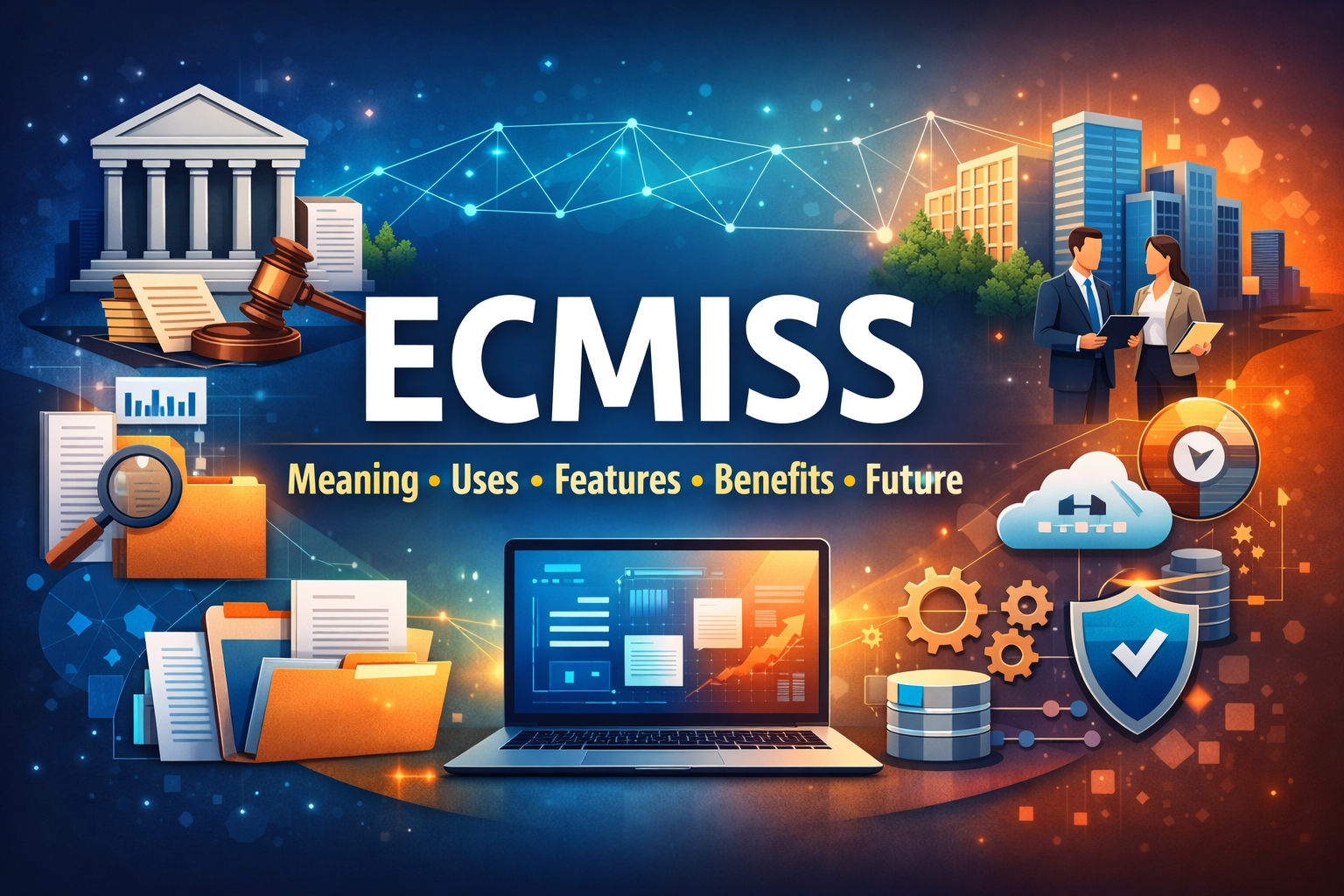
ECMISS is a term used in many digital systems, it is used in courts, it is used in offices, it is also used in government and education, many people search for this but do not find one clear meaning, the reason is simple, it does not have one global definition, different industries use the same word in different ways, this makes the topic confusing for users and readers Awius
This article explains ECMISS in a clear and simple way, it uses easy words, it avoids complex language, it explains how it works, it also explains where it is used and why it is important
What Does ECMISS Mean
It is an acronym, the meaning changes based on use
Common Meanings of This
-
Electronic Court Case Management Information System
-
Enterprise Content Management Information System
-
Electronic Case Management Support System
Each meaning depends on the system and the industry
Why ECMISS Has Many Meanings
There are many reasons,
-
Different industries created systems using the same name
-
There is no global standard for the term
-
Digital systems grew fast in many sectors
-
Online content reused the term in new ways
Because of this it must always be understood by context
ECMISS in Courts and Legal Systems
What ECMISS Means in Courts
In courts it usually means Electronic Court Case Management Information System, this system helps courts manage cases using digital tools, the goal is to replace paper work, the system tracks each case from start to end
Goals of Court ECMISS
-
Faster case handling
-
Better record keeping
-
More transparency
-
Less paper usage
-
Easy access to case data
Main Court Processes Covered
-
Case registration
-
Online filing
-
Hearing scheduling
-
Case progress tracking
-
Document storage
-
Notifications
-
Reports
Court ECMISS Features Table
| Feature | Purpose |
|---|---|
| Case entry | Register new cases |
| E filing | Submit files online |
| Scheduling | Plan hearing dates |
| Tracking | Follow case progress |
| Storage | Save case documents |
| Alerts | Send system updates |
| Reports | View court data |
Benefits for Courts
Courts gain many advantages
-
Less delay in cases
-
Clear case history
-
Better public trust
-
Easier audits
-
Secure records
ECMISS in Business and Office Use
Meaning of ECMISS in Business
In business it often means Enterprise Content Management Information System, it helps companies manage files tasks and communication, the focus is not on legal cases, the focus is on business work flow
Why Businesses Use This
-
Too many files
-
Team work issues
-
Manual processes
-
Data security needs
-
Compliance rules
Main Business Uses
-
Document storage
-
Task automation
-
Team collaboration
-
Access control
-
Reporting
Business ECMISS Features List
-
Central file storage
-
File version control
-
Work flow automation
-
Role based access
-
Activity tracking
-
Analytics dashboard
Business ECMISS Features Table
| Feature | Use |
|---|---|
| Storage | Keep all files |
| Automation | Reduce manual work |
| Collaboration | Support teams |
| Access | Protect data |
| Logs | Track changes |
| Reports | Analyze work |
Benefits for Organizations
Companies using this see clear results
-
Higher productivity
-
Faster decisions
-
Better data control
-
Lower risk
-
Scalable systems
ECMISS as a Digital Framework
ECMISS Beyond Software
Some people use this as a concept, it is not a single tool, it is a way to manage digital work, the idea is to connect systems people and processes
Key Principles of This Framework
-
Simple workflows
-
Central data control
-
Process automation
-
Clear responsibility
-
Mission focus
Sectors Using ECMISS Ideas
-
Government offices
-
Schools and colleges
-
Hospitals
-
Project teams
-
Emergency services
This shows it is flexible
Common Features in All ECMISS Systems
Even with different meanings most ECMISS systems share core features
Shared ECMISS Features
-
Central data storage
-
Automated workflows
-
Real time access
-
Collaboration tools
-
Tracking and logs
-
Security controls
Common Features Table
| Feature | Description |
|---|---|
| Central system | One data source |
| Automation | Faster processes |
| Access | Live information |
| Team tools | Shared work |
| Logs | Full tracking |
| Security | Data protection |
How it Works
It follows a clear process
Step by Step Flow
1 Data enters the system
2 Rules process the data
3 Files are stored safely
4 Progress is tracked
5 Reports and alerts are sent
ECMISS Process Table
| Step | Action |
|---|---|
| Input | Data entry |
| Process | Workflow rules |
| Storage | Secure saving |
| Monitor | Track progress |
| Output | Reports alerts |
Advantages of This
It brings many advantages
Key Advantages
-
Saves time
-
Reduces errors
-
Improves visibility
-
Supports growth
-
Helps compliance
Areas of Impact
-
Daily operations
-
Management decisions
-
Resource planning
-
User satisfaction
Challenges of This
It also has challenges
Common Challenges
-
High setup cost
-
Training needs
-
User resistance
-
Data migration
-
No global standard
Challenges Table
| Challenge | Effect |
|---|---|
| Cost | Budget pressure |
| Training | Learning effort |
| Adoption | Change resistance |
| Migration | Data risks |
| Definition | Confusion |
Good planning helps reduce these issues
ECMISS and Related Digital Systems
It is often linked with other systems, these include document systems and workflow tools, it usually combines many functions in one platform, this makes it more powerful than single purpose tools
Future of This
Technology continues to evolve, it will also change
Future Trends
-
Artificial intelligence
-
Smart automation
-
Cloud platforms
-
System integration
-
Stronger security
Expected Results
-
Smarter systems
-
Faster workflows
-
Better user experience
-
Higher trust
Frequently Asked Questions
Is ECMISS one software?
No, it is a general term
Is it only for courts?
No, it is used in many sectors
Can ECMISS be customized?
Yes, most systems are flexible
Is it the same everywhere?
No, meaning changes by use
Conclusion
It is a flexible digital concept, it is used in courts, it is used in business, it is also used as a digital framework, the core goal is simple, manage information better, automate work, improve transparency, understanding this depends on context, when used correctly it helps build strong modern systems, as digital needs grow it will remain important across industries