MataRecycler: Simple Guide to Smart Recycling
Recycling helps protect the environment, many people want to recycle the right way, still many recycling systems do not work well, items get mixed, wrong waste goes into recycling bins, useful materials end up in landfills, MataRecycler is a smart recycling idea, it uses technology to make recycling easier and more accurate, it helps people know what to recycle, it helps systems sort waste better, it also helps cities and businesses track recycling results
This article explains MataRecycler in simple words, it uses clear lists and tables, the goal is easy reading and clear meaning Awius
What Is MataRecycler
MataRecycler is a smart recycling system, it uses tools and data to improve recycling, it helps reduce mistakes, it helps collect better quality recyclable materials
Main goals of MataRecycler
-
Make recycling simple
-
Reduce waste mixing
-
Improve sorting accuracy
-
Support clean environment
-
Use data to improve results
MataRecycler focuses on guidance and automation, it helps people recycle with confidence
Why Recycling Needs Improvement
Many recycling programs face problems
Common recycling issues
-
People do not know what goes where
-
Labels on bins are confusing
-
Items get mixed together
-
Sorting takes time and money
-
Results are hard to measure
When recycling fails it causes harm
Problems caused by poor recycling
-
More landfill waste
-
Higher costs
-
Lost reusable materials
-
Pollution
-
Less trust in recycling programs
MataRecycler helps fix these issues step by step
How MataRecycler Works
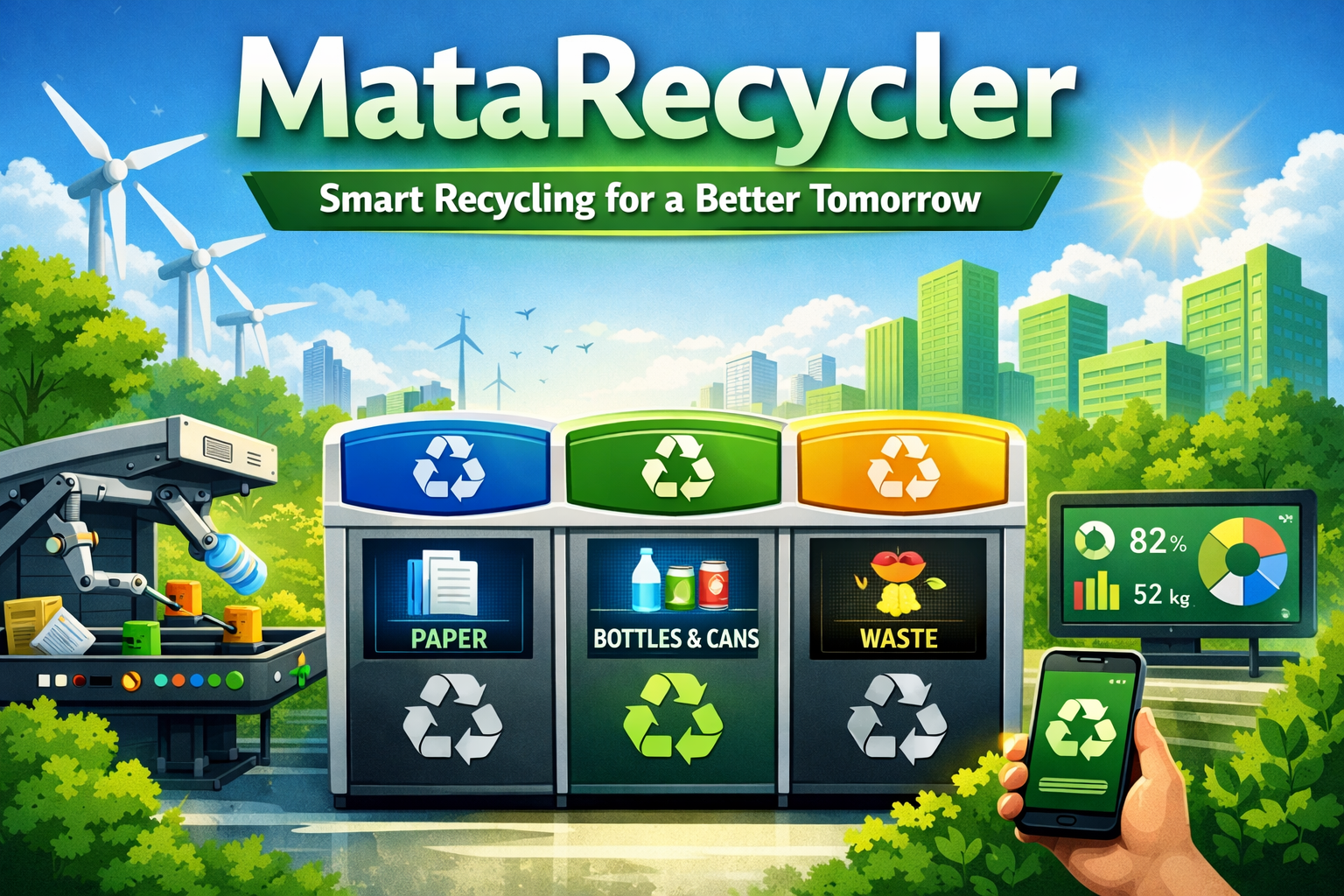
MataRecycler works through three main stages
Smart Collection Stage
This is where people throw away items
Features at this stage
-
Smart recycling bins
-
Material detection tools
-
Clear user guidance
-
Separate waste sections
-
Instant feedback
This stage helps stop mistakes before they happen
Automated Sorting Stage
After collection waste is sorted using machines
Sorting methods include
-
Visual scanning
-
Shape detection
-
Weight checking
-
Automated separation
Automation improves speed and accuracy, it also reduces manual work
Digital Intelligence Stage
This stage uses data to improve recycling
Digital functions include
-
Tracking material types
-
Measuring contamination
-
Monitoring system use
-
Reporting recycling results
-
Improving system performance
Data helps recycling systems get better over time
Key Features of MataRecycler
MataRecycler includes useful and smart features
Main system features
-
Smart material recognition
-
Real time user guidance
-
Automated sorting support
-
Digital tracking tools
-
Scalable system design
These features work together to improve recycling quality
Benefits of MataRecycler
Environmental Benefits
MataRecycler helps protect nature
Environmental benefits
-
Less landfill waste
-
Cleaner recyclable materials
-
Better resource use
-
Lower pollution
-
Reduced emissions
Economic Benefits
Better recycling also saves money
Economic benefits
-
Lower sorting costs
-
Fewer rejected loads
-
Better material value
-
Efficient waste handling
-
Long term savings
Social Benefits
MataRecycler also helps people and communities
Social benefits
-
Clear recycling guidance
-
Better recycling habits
-
Higher participation
-
Stronger awareness
-
Community trust
Where MataRecycler Can Be Used
It works in many places
Residential locations
-
Apartment buildings
-
Housing communities
-
Student housing
Commercial locations
-
Office buildings
-
Factories
-
Schools and campuses
Public locations
-
Cities
-
Transport hubs
-
Shopping centers
-
Event spaces
Each location can adjust the system to its needs
Common Parts of a MataRecycler System
The table below shows typical system parts and their roles
| System Part | Purpose |
|---|---|
| Smart bins | Guide correct disposal |
| Sensors | Identify materials |
| Sorting units | Separate waste |
| Data system | Collect information |
| User display | Show guidance |
| Reports | Track performance |
These parts work together as one system
Clearing Confusion About MataRecycler
Some people confuse this with computer issues
Important facts
-
MataRecycler is not a virus
-
It is not malware
-
It is not related to computers
-
It is about recycling technology
Clear information helps avoid misunderstanding
Challenges to Consider
It also has challenges
Technical challenges
-
Setup costs
-
System maintenance
-
Technology updates
Organizational challenges
-
Staff training
-
User adoption
-
Change management
Social challenges
-
Clear communication
-
Equal access
-
Long term engagement
Planning helps reduce these challenges
Data Tracked by MataRecycler
This systems measure many values
| Data Type | Examples |
|---|---|
| Material data | Amount by type |
| Quality data | Contamination level |
| Usage data | Bin use patterns |
| Environmental data | Waste reduction |
| Cost data | Processing efficiency |
This data helps improve decisions
MataRecycler and Sustainable Systems
It supports long term sustainability
Ways it supports sustainability
-
Improves recycling quality
-
Reduces raw material use
-
Encourages better habits
-
Supports clean supply chains
-
Helps circular economy goals
Waste becomes a useful resource
Future of MataRecycler
It will continue to grow
Expected future changes
-
Better material recognition
-
Smarter data analysis
-
City wide integration
-
Policy support
-
Wider global use
Smart recycling will become more common
Frequently Asked Questions
What is MataRecycler?
MataRecycler is a smart recycling system, it helps people recycle correctly using simple technology and guidance
How does it work?
It guides users at the bin level, it uses smart tools to help sort waste and track recycling results
Why is it important?
It reduces recycling mistakes, it helps lower landfill waste and improves recycling quality
Is it easy to use?
Yes it is designed for simple use, people do not need special training to recycle correctly
Where can it be used?
It can be used in homes offices schools cities and public places
Does it reduce waste contamination?
Yes it helps reduce contamination by guiding correct disposal and using automated sorting
Is it good for the environment?
Yes it supports cleaner recycling, it helps save resources and reduce pollution
Can businesses use this?
Yes it works well for businesses offices and commercial spaces
Does it use data?
Yes it tracks recycling data, this helps improve performance and decision making
Conclusion
It offers a clear path to better recycling, it combines smart bins automation and data systems, it helps people recycle correctly, it helps organizations reduce waste problems, it supports cleaner environments and better resource use, recycling works best when it is simple and guided, it helps make that possible